
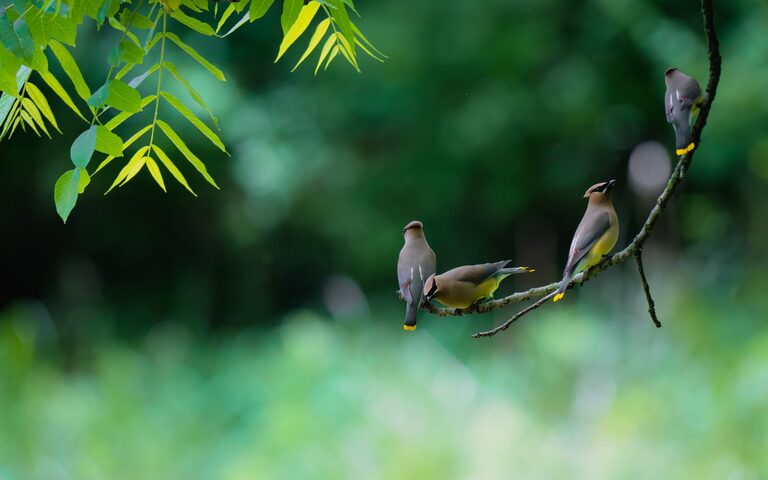
Birdwatching is a wonderful way to connect with nature, relax, and learn more about the wildlife living right outside your door. If you’re new to this hobby, you might wonder where to start or how to attract birds to your backyard. This guide offers beginner-friendly tips to help you enjoy backyard birdwatching with ease.
Why Backyard Birdwatching?
Birdwatching is accessible and rewarding. You don’t need to travel far or have expensive equipment to enjoy it. Watching birds in your backyard helps you:
– Relax and reduce stress
– Learn about local wildlife
– Promote environmental awareness
– Enjoy a fun activity alone or with family
Getting Started: What You Need
1. Choose the Right Spot
Look for a quiet place in your yard where you can sit comfortably and observe birds. Near trees, shrubs, or flowers often works best, as these provide natural food and shelter.
2. Get a Bird Feeder
A bird feeder can attract a variety of species. Here are some common feeder types:
– Seed feeders: Great for common backyard birds like finches and sparrows.
– Suet feeders: Provide fat-rich suet cakes, loved by woodpeckers and chickadees.
– Nectar feeders: Attract hummingbirds with sweet liquid.
Place feeders where birds feel safe, preferably near some cover but visible enough for you to watch.
3. Use Bird Baths
Birds need fresh water for drinking and bathing. Adding a bird bath can attract thirsty visitors and help keep them coming back.
4. Have a Field Guide or App Handy
To identify birds, use a field guide or birdwatching app. These tools provide pictures and descriptions that make spotting and naming birds easier.
Tips for Attracting Birds
1. Offer the Right Food
Different birds prefer different foods. Here are some popular options:
– Black oil sunflower seeds attract many songbirds
– Nyjer (thistle) seeds are favorites of finches
– Peanuts can bring in woodpeckers and jays
– Sugar water (4 parts water to 1 part sugar) attracts hummingbirds
Avoid feeding bread or processed foods as they’re not healthy for birds.
2. Plant Native Trees and Shrubs
Native plants provide natural food sources like berries and seeds, plus shelter and nesting sites. They also support insects that many birds eat.
3. Keep Feeders Clean
Regularly clean feeders and bird baths to prevent disease. Use a mild soap and rinse well, cleaning at least once every two weeks or more often in hot weather.
4. Be Patient and Quiet
Birds can be shy. Sit quietly and avoid sudden movements. Over time, they will become more comfortable visiting your yard.
Birdwatching Basics
1. Observe Behavior
Look not just at what birds look like but also how they behave. Notice their flight, feeding style, and sounds. This helps with identification.
2. Use Binoculars
A pair of binoculars brings birds closer and reveals details you can’t see with the naked eye. Choose a lightweight, easy-to-use pair for the best experience.
3. Record Your Sightings
Keep a journal or use an app to note the birds you see. Tracking sightings can be fun and helps improve your identification skills.
Common Backyard Birds to Look For
Depending on your region, some birds you may encounter include:
– American Robin
– Northern Cardinal
– Blue Jay
– Mourning Dove
– Chickadee
– House Finch
– Downy Woodpecker
Safety and Respect for Wildlife
While birdwatching is safe and enjoyable, remember to:
– Keep cats indoors or supervised to protect birds
– Avoid disturbing nests or young birds
– Respect private property and natural habitats
Final Thoughts
Backyard birdwatching is a rewarding hobby that anyone can enjoy. With a little patience and some simple tools, you can create a welcoming space for birds and enjoy the beauty of nature every day. Start small, keep learning, and watch your backyard come alive with feathered friends!